Connecting Realities: Meeting Residents with Dementia in Their Reality
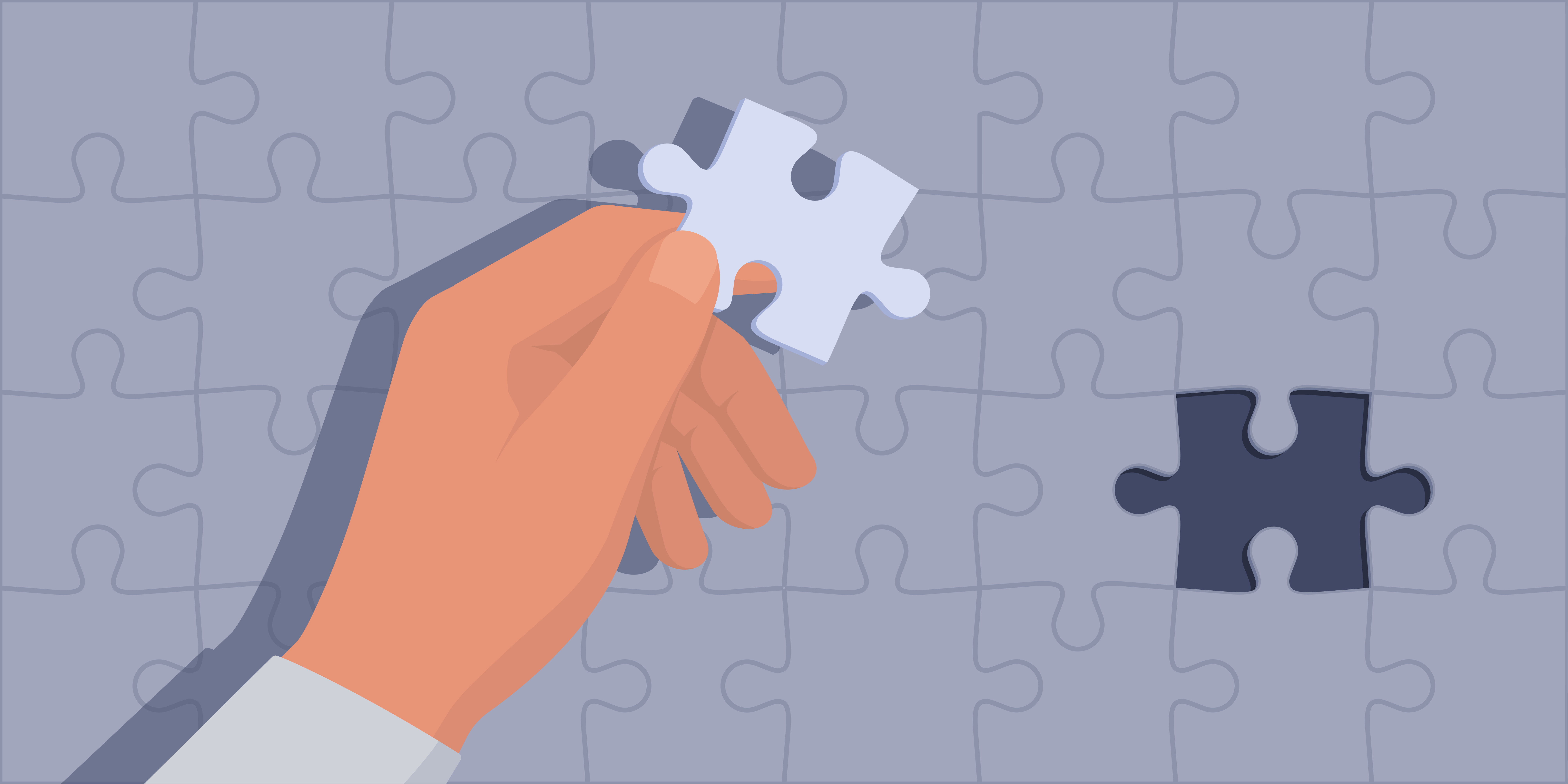
Connecting Realities, The Ohio Masonic Communities’ Memory Support Programming, is an approach that bridges the gap between our reality and the reality of those with cognitive challenges like dementia and Alzheimer’s. Our intention is to meet residents where they are presently, not where we think they should be. Our person-centered approach is to connect with someone’s world through empathy and understanding. We understand that their world is shaped by emotions and past experiences.
The way dementia progresses is different for each person. Our programming centers on how a person processes and experiences the world around them. Connecting Realities encompasses the entirety of care through therapy, research, and more for residents with dementia and Alzheimer’s.
Understanding Dementia and Alzheimer’s
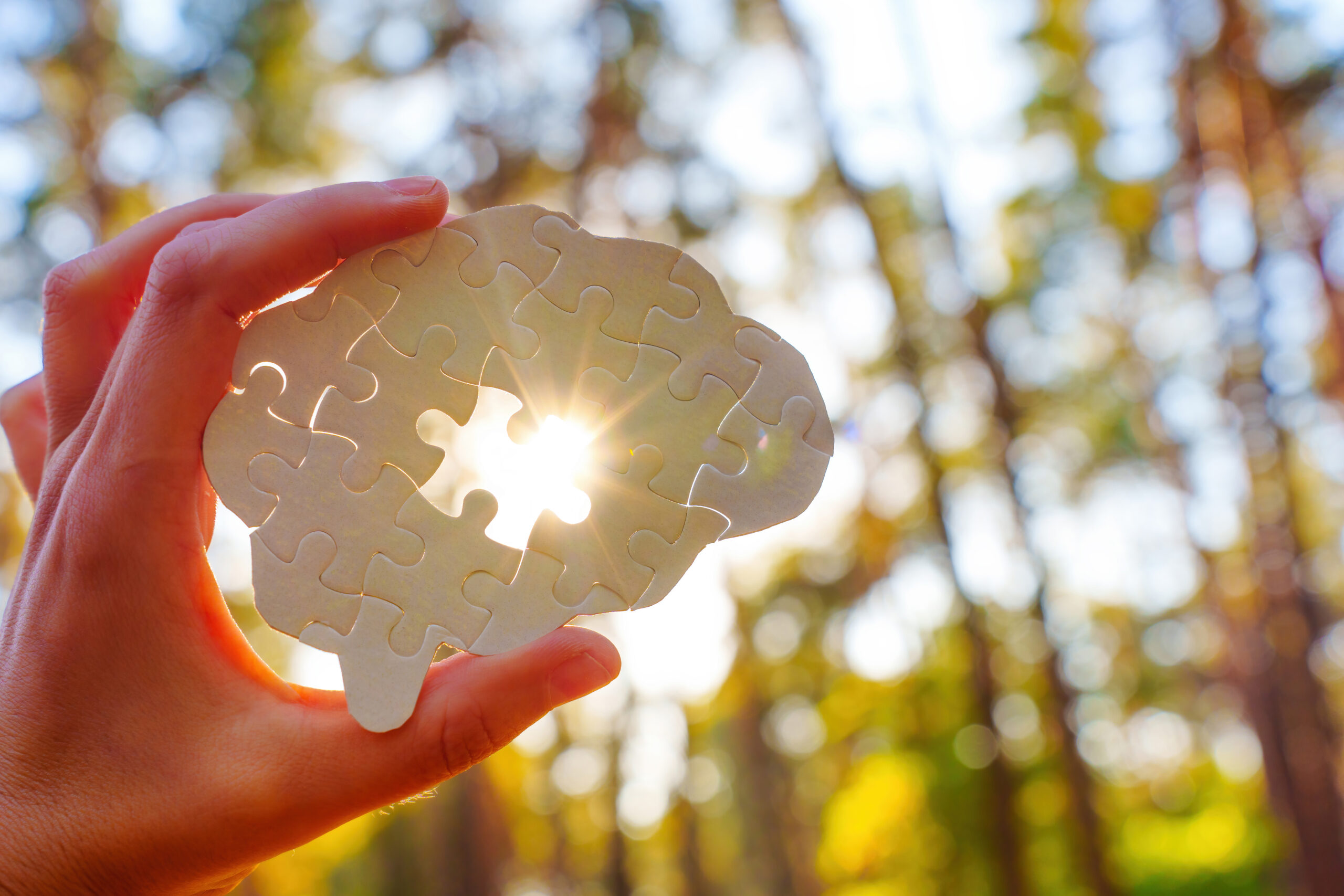
Dementia is the loss of cognitive functioning (thinking, remembering, and reasoning) and behavioral abilities to an extent that it interferes with daily life and activities. To understand how a person with dementia experiences reality, we need to understand how it progressively affects the brain and cognition.
- Memory
- With dementia, short-term and recent memories tend to fade first. Older, core memories and experiences are more likely to be present and feel like the current reality for someone with dementia.
- Perception
- Sensory information is interpreted differently through the lens of dementia, such as impaired visual and auditory distortions, understanding of time, and the ability to recognize things or people.
- Communication
- Verbal communication can be difficult for someone as dementia progresses, but their feelings may be expressed through a different way such as physical communication like behavior.
Alzheimer’s is a degenerative brain disorder that slowly destroys memory, thinking skills, and the ability to carry out the simplest tasks. While dementia is the overarching term used for decline in cognition, Alzheimer’s is a specific type of dementia. Alzheimer’s is characterized by memory loss and cognitive decline, and is the most common type of dementia.
Pathways Memory Support Neighborhoods
The Pathways Memory Support Neighborhood is designed for residents with Alzheimer’s and other dementias. Our neighborhoods offer a homelike atmosphere where residents maintain as much independence as possible while living in a safe, secure environment. Like our assisted living options, amenities such as dining, housekeeping, and laundry services are included. With 24/7 onsite nursing staff, we assist residents with a variety of activities of daily living based on their needs in a welcoming and supportive environment.
Each neighborhood has a dedicated nurse’s station, kitchen and dining room, beauty salon, private courtyard, and more. With secured entrances for resident safety, our neighborhoods are intentionally designed like a circle, with access to courtyards and every apartment brightly lit with windows. Using dementia research in our design approach, we intentionally select paint colors, lighting levels, and patterns that promote a thriving environment.
Neighborhoods feature a variety of purposefully designed community spaces, each with its own focus on a specific activity like music, games, and movies. Our staff work with each resident and tailor the daily routines, activities, and events to their likes and interests. Another unique design element are memory boxes outside of each apartment, used to help residents recognize which space is theirs.
For our residents who are experiencing sensory overstimulation, we have a calming room with interactive wall art, sensory items such as fiber optic lamps and bubble tubes, and relaxing music.
Pathways Memory Support Neighborhood is the perfect combination of nursing, amenities, and activities to create a welcoming environment paired with compassionate care.
Staff Training
One of the most impactful pillars of Connecting Realities is the training our staff receives. Our staff goes through in-depth training while caring for residents with dementia. We use a variety of training methods with our teams, including online and hands-on. Required trainings include dementia workshops, routine skills checks, and immersive experiences.
Embodied Labs
One of the most impactful trainings we offer is Embodied Labs. Embodied Labs is an immersive virtual reality technology used for staff to experience what dementia is like firsthand. Staff experience a “first-person” perspective of what someone with cognitive challenges can experience through vision, sound, and physical feel.
Certified Dementia Practitioner (CDP) Training
Certified Dementia Practitioner (CDP) training is offered to everyone working within our Pathways Memory Support Neighborhoods. To become certified, our team must complete the formal training. Training includes how to communicate with residents with dementia, resident safety, and how to effectively identify stress and respond to behavioral expression with empathy.
Second Wind Dreams
Another virtual training we offer is the Virtual Dementia Tour from Second Wind Dreams. This is an evidence-based, immersive training to help build a greater understanding and empathy towards what living with dementia is like. The experience allows staff to better understand residents’ reactions and approach care through a lens of empathy.
Validation Approach
Our trainings promote a validation approach with our residents versus a corrections approach. Corrections may cause stress, grief, and disorientation to a resident. Connecting through a validation approach meets the person in their reality and helps with gentle redirection. This approach reduces distress, helps connection emotionally, and helps care members adapt with empathy.
Engagement
The core of Connecting Realities is engagement. Our neighborhoods feature a range of technologies and therapies focused to make residents thrive within their environment. Our goal is to offer personalized memory support to each person that promotes peace, connection, and relaxation.
Music Therapy
Music therapy is a huge component of our Connecting Realities programming. From a clinical and evidence-based practice, it marries music with therapeutic practice to accomplish different goals. Our residents participate in one-on-one and group sessions with our licensed music therapists to promote connection, engagement, and expression.
Music therapy is beneficial for mood, verbal and nonverbal communication, sleep, and memory. An individual sitting in their chair can move in rhythm to the beat. People who have trouble finding the right words in conversation can find it easier to recall lyrics to a song. For example, an important tool we utilize in music therapy is The Crdl. The Crdl creates comforting sounds to help residents connect and share meaningful experiences. For those with Alzheimer’s and dementia, music enhances memory connection, evoke memories, and improve quality of life.
“I entered the room of a Pathways Memory Support Neighborhood resident for an individual music therapy session. The resident greeted me with a smile and kind words, and I sat beside him as he reminisced. He shared stories about his family and notable accomplishments throughout his life. I played the guitar to provide musical support throughout our discussion, and as our music therapy session progressed, he continued to be present, relaxed, and engaged. He turned to me and said with a smile, “you’re very good at making people feel love”. We continued our session and at the end, he expressed his gratitude and excitement for future sessions.” — Liz Stamm, Director of Connecting Realities and Licensed Music Therapist
Life Stations
Life stations are specialized, interactive areas in memory care settings designed to mimic familiar, real-world environments. Each station encourages and engages residents. Through purposeful and repetitive activities like gardening or organizing tools, they help tap into muscle memory, reduce anxiety, and foster a sense of pride.
iN2L
iN2L (It’s Never 2 Late) is an interactive engagement tool residents use for listening to music, guided exercise, and virtually exploring the world. Designed for different cognitive levels, iN2L is a multisensory experience. It combines touch, motion, and tailored programming for residents to engage with their environment and personal histories. Residents enjoy things like painting, singing along with their favorite pastime music, exploring places they’ve travelled, and so much more!
Cara’s Kennel
Animals play a huge role in senior living communities. From therapy animals to our pet-friendly campuses, engaging with animals has numerous health benefits. But what happens when caring for a pet is no longer safe due to cognitive challenges? Enter Cara’s Kennel. As part of our Connecting Realities Memory Support Programming, Cara’s Kennel connects our memory support residents with robotic pets to provide comfort and companionship. These life-like companions help reduce anxiety and feelings of isolation while promoting a sense of purpose.
Lucynt Table
Known as the “Dementia Magic Table”, Lucynt Tables use innovative projector systems to create an interactive table with a variety of games and activities for residents. These accessible, cutting-edge tables project changing, interactive landscapes onto surfaces and allow residents to interact with different things. These help improve hand-eye coordination, physical and mental stimulation, evoke memories, and promote resident socialization.
“One of my favorite stories is about a resident in our Pathways Memory Support Neighborhood who was a retired police office. He did not regularly engage or participate with other residents and activities. We received a grant funding for a Lucynt Table and his interest was sparked when he saw us setting it up for the first time. We involved him in setting up the table and he started to share his experience being a police officer. I was able to find a driving game on the table that had different vehicles. The gentleman sat with us for over an hour, explaining each car model, how fast they went, and which ones he gave the most tickets to! The Lucynt Table helped us engage with him and where he was in his reality.”
— Cara Schuster, Chief Clinical Officer and Corporate Compliance Officer
Part Research, Part Relationship
Connecting Realities goes beyond programming—it’s our entire approach to memory care for our residents. Our clinical research develops and broadens our programming for engagement, training, and care methodology.
Are you ready to learn more about memory support? Whether you’re starting the journey with a loved one or ready to make an informed decision, we’re your number one resource. We design our senior living communities for residents to thrive and age in place. We offer maintenance-free homes, engaging amenities, and a welcoming community across our three campuses. Check out Browning Masonic Community in Waterville, Ohio, Springfield Masonic Community in Springfield, Ohio, and Western Reserve Masonic Community in Medina, Ohio.
We are your number one stop for senior living resources. Wherever you are in your journey, we’re here to help. Give us a call at (877) 881-1623 or contact us here.