
The Paw-sitive Impact of How Pets Enrich the Lives of Older Adults
Take a moment and think back to childhood and remember your first pet. You simply knew that you wanted a pet, whether it was a cat or dog. Your parents reminded you of the responsibilities of pet ownership. Don’t forget to feed your pet at a certain time. Remember to take them for a walk or clean out the litter box. Another thing you remember is the unconditional love your pet gave you. Maybe when you weren’t feeling well, your pet would always keep you company. Or maybe you had to stay home from an event, but your pet was right there with you the entire time. Fast forward to today. That unconditional love hasn’t changed because you got older. In fact, pets enrich the lives of older adults! Here are some key benefits to owning a pet in your older years:
Companionship
Pets help reduce feelings of loneliness and isolation, which can be common in older adults. Dogs and cats are a source of companionship for older adults to know they’re never truly alone. Pets may not talk back, but they pay attention to what the person is doing, get excited when their owner comes home or wants to play, and are often happy to just sit with you.
The significance of how pets enrich the lives of older adults who reside in senior living communities cannot be overstated. Our furry friends serve as companions and catalysts for enhanced well-being. They play a pivotal role in the physical, mental, and emotional health of older adults. Integrating pet companionship within senior communities offers a unique blend of joy, comfort, and numerous health benefits, making it worth exploring for the improvement of quality of life in senior years.

Mental Health
Pets can help reduce stress, anxiety, and depression. Petting a cat or dog releases endorphins and can boost mood. Pets offer endless love and affection and spending time with a pet can bring a smile to older adults’ faces. Pets can also help boost self-esteem. Animals do lots of funny and crazy things that make people laugh, so just watching them can improve mood.
Loneliness and social isolation are significant issues that affect a large number of older adults and can lead to various negative health outcomes such as depression and a decline in overall health. Pets offer companionship and unconditional love, helping to fill the emotional void that can present in the lives of many older adults.
Pets often serve as social catalysts in senior communities. For instance, walking a dog or sitting with a cat in a communal area can lead to increased interactions with others. These interactions foster a sense of community and belonging, which is vital for mental health.
The act of petting or caring for an animal has been shown to reduce stress levels, calm anxiety, and elevate mood. This is releases serotonin, which is a hormone that evoke feelings of happiness, relaxation, and bonding. Pets provide a unique form of emotional support, offering comfort during difficult times.
Having to care for a pet provides older adults with a sense of purpose and daily responsibility. Routine and the need to tend to another living being can significantly boost self-esteem and contribute to a more positive outlook on life.
Physical Health
The responsibility of caring for a pet can also help older adults maintain an active lifestyle. Having a pet can help improve cardiovascular health, strengthen muscles, and enhance mobility.
For example, caring for a dog often means taking them out for walks daily. This is a great way to get older adults moving, which can help with overall mobility. They can stay active by throwing a ball, playing with toys, and simply moving around to play with their dog or cat.
Regular physical activity is crucial for maintaining health and mobility in older age. Interaction with pets has been linked to an enhanced immune system and a faster recovery from illness. The stress-reducing effect of pets plays a significant role in this, as stress can negatively impact the immune system. Outdoor activities that come with pet ownership can expose older adults to a moderate amount of sunlight, which is necessary for vitamin d production and further support immune health. Pets can also help lower cholesterol levels.
Sense of Purpose
The daily structure of caring for a pet can provide a sense of purpose and accomplishment. Older adults with pets know that they are relying on them for food, water, grooming, care, and attention. Having to walk the dog each morning can give older adults a reason for getting out of bed. It also creates a consistent routine for the day.

Cognitive Benefits
Activities like teaching dog tricks or playing with cats can stimulate the brain. Regular interaction with pets has been shown to stimulate mental faculties in older adults, keeping brains active and engaged. The routine of caring for a pet, combined with the sensory stimulation from touch and social interaction, can enhance cognitive function. Activities such as remembering feeding times, grooming, and playing with pets can serve as daily mental exercises that promote brain health.
Older adults with pets often display improved memory and sharper cognitive abilities. The responsibilities associated with pet care require attention to detail and adherence to routines, which can help in maintaining and improving cognitive skills. The joy pets bring can lead to increased curiosity and a desire for learning, further stimulating cognitive function.
Interaction with animals has been found to have therapeutic effects on seniors experiencing symptoms of cognitive decline, such as those associated with Alzheimer’s disease and dementia. Pets can provide a calming influence, reducing agitation and anxiety among older adults. The non-verbal communication and unconditional love offered by pets can reach beyond the barriers imposed by cognitive decline, providing comfort and reducing behavioral issues.
The combined effects of increased physical activity, social interaction, and mental engagement associated with pet companionship contribute to overall brain health. Studies have shown that these activities can help delay the onset of cognitive decline and even improve brain function, leading to a better quality of life for older adults.
Help around the House
Even if a dog is not specifically trained as a service animal, that doesn’t mean they can’t learn basic commands and tasks. With a little work and patience, older adults may be able to teach their dog to retrieve things, pick up dropped items, walk right next to them, or help stabilize them as they stand up or sit down.
Reduced Blood Pressure
Pets can help lower blood pressure. In addition to dogs helping seniors be more active, owning a pet can help reduce stress and lower blood pressure as well. The simple acting of petting a dog or cat can ease tension and stress while releasing endorphins to boost mood.
Several studies have indicated that pet ownership can lead to lower blood pressure and a decreased risk of heart disease. The act of petting an animal has a calming effect, which can reduce stress and in turn, lower blood pressure. Additionally, the increased physical activity associated with pet care can contribute to cardiovascular health.
Studies Show Pets Enhance Senior Adult Lives
A curled-up cat, a tail-wagging dog, a chirping parakeet may help older adults cope with mental and physical health issues, according to a recent national poll.
Two-thirds of all pet owners, and 78 percent of dog owners, said their pet helps them be physically active, according to the new findings from the National Poll on Healthy Aging. For those who reported that their health was fair or poor, pet ownership appeared to offer even more benefits. More than 70 percent of these older adults said their pet helps them cope with physical or emotional symptoms, and 46 percent said their pets help take their mind off pain.
Embracing the Joy of Pets in Our Golden Years
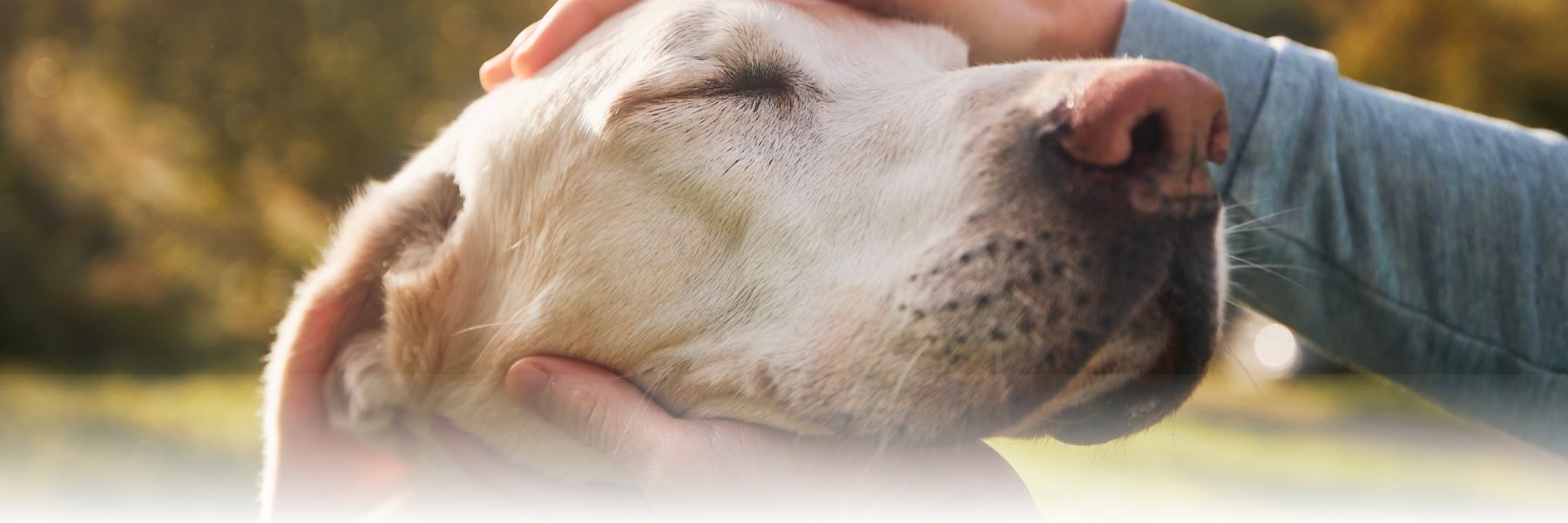
The bond between seniors and their pets truly is special. Those furry companions bring a wealth of benefits that enhance both mental and physical well-being. From reducing loneliness to encouraging daily activity, pets have an incredible ability to uplift spirits and provide comfort. Dogs specifically have been proven to reduce stress, anxiety and depression, ease loneliness, encourage exercise, and improve your overall health.
So, whether it’s a playful pup or a cuddly cat, a pet in the life of senior adults can make a world of difference. The love and joy they offer can fill their days with purpose and happiness.
Is having a pet stopping you from considering a senior living community? Don’t worry – we know pets enrich the lives of older adults and thats why all of our campuses are pet-friendly! If you or a loved one is considering moving to a senior living community, consider taking a tour of one of The Ohio Masonic Communities campuses. With three senior living communities across the state of Ohio – Browning Masonic Community in Waterville, Ohio, Springfield Masonic Community in Springfield, Ohio, and Western Reserve Masonic Community in Medina, Ohio – each offers premier living options all pet-friendly with exceptional experiences so older adults can live their best lives. If you are interested in learning more about one of our communities, give us a call at 1-877-881-1623 or schedule a visit.
The post Fur-ever Friends: How Pets Enrich the Lives of Older Adults appeared first on The Ohio Masonic Communities.